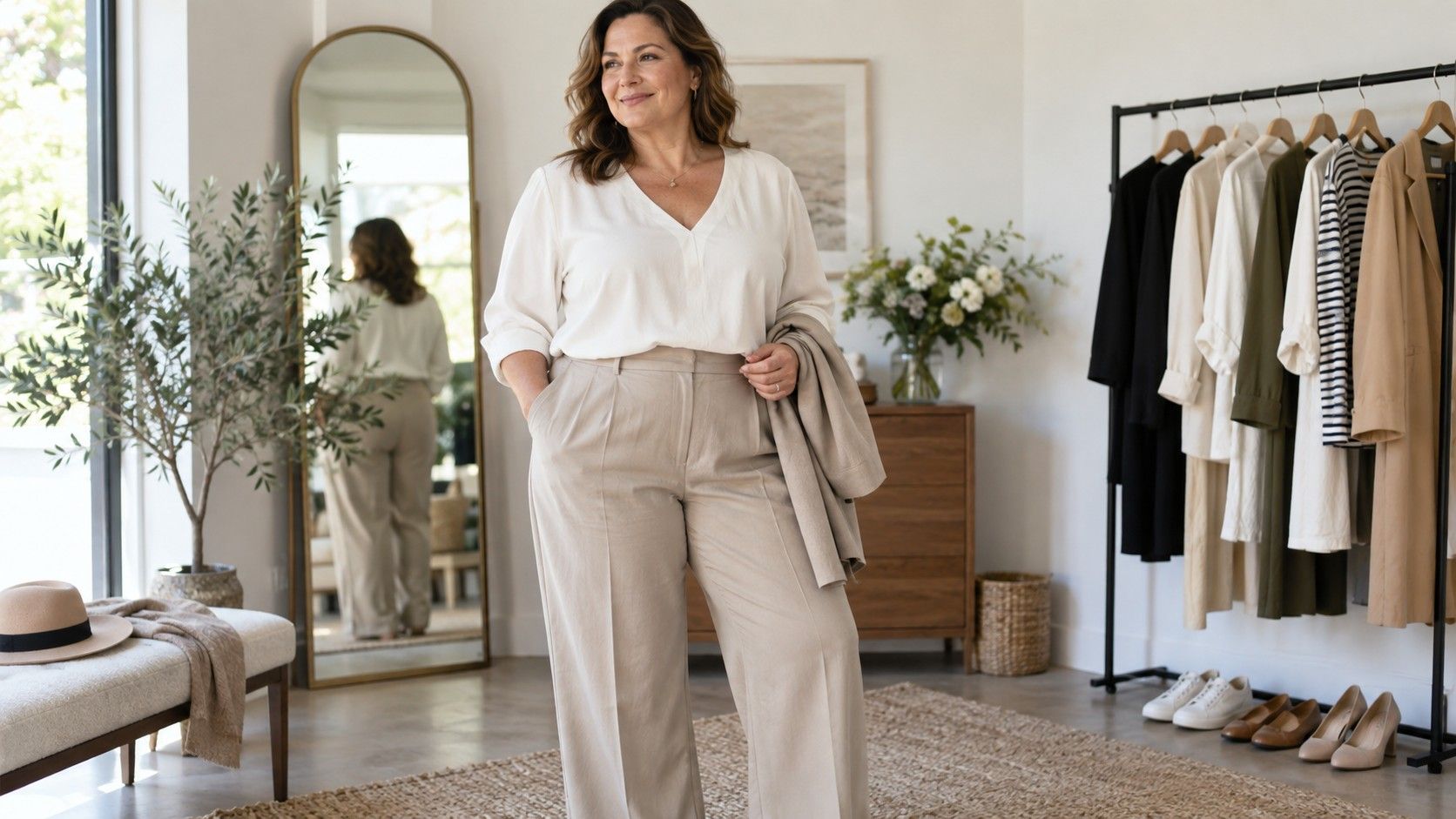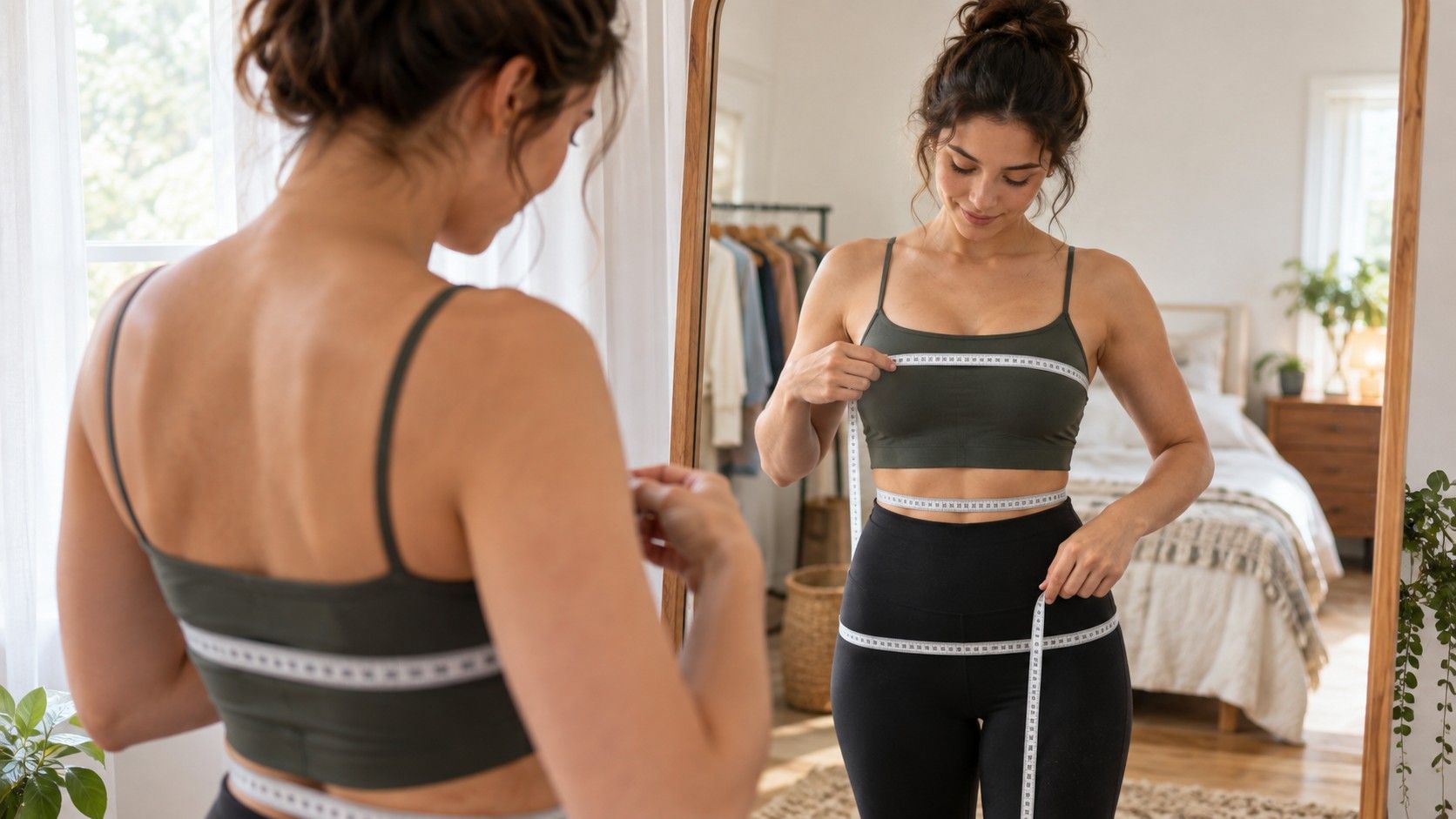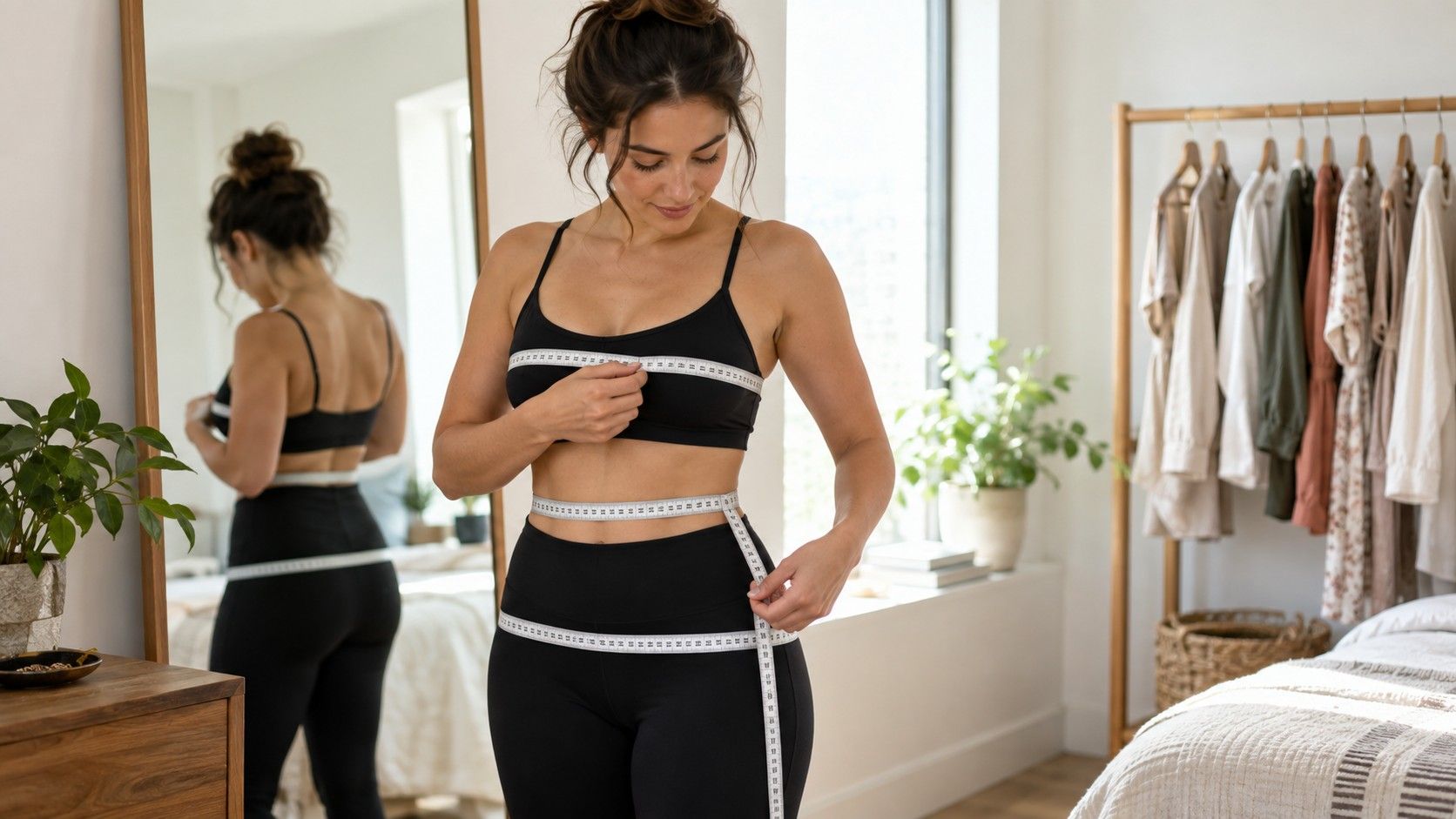
Body shape can be a useful observation, but it is a poor manager for an entire wardrobe. It may explain why a particular shoulder line feels easy or why a trouser rise keeps missing the mark. It cannot tell you whether you like tailored clothes, need outfits for a bike commute, avoid scratchy fabrics, or light up when you see saturated red. A workable personal style system gives proportions a seat at the table without handing them the microphone.
Use body shape as evidence, not as an identity
Most body-shape systems reduce a changing three-dimensional body to a few broad labels. That can be useful for noticing recurring relationships: perhaps jackets pull at the upper back, waists sit high on you, or trousers that fit the hips are loose at the waist. It becomes limiting when the label turns into a personality test or an instruction to avoid whole categories of clothing.
Instead of asking what an hourglass, rectangle, pear, or inverted triangle is meant to wear, collect actual evidence. Which garments have you worn repeatedly? Which ones stayed in the closet despite looking good in the store? Look for specific reasons. A blazer may work because the shoulder is softly shaped and the sleeves are easy to push up, not because it creates a particular silhouette. A wide-leg trouser may fail because the rise is too long, not because wide legs are wrong for your body.
This distinction matters because proportions are not static. Weight, muscle, posture, hormones, age, and activity can change how clothes sit. So can the garment itself. Two people with similar measurements can need different cuts because one likes a sharp waist seam while the other hates any pressure at the middle. A body shape style system should remain descriptive and revisable.
Build a short list of fit observations from real outfits
Start with five or six clothes you genuinely wear, not aspirational purchases. Lay them out and note the physical details they share. Maybe your favorite shirts have a dropped shoulder and a slightly open neck. Maybe your reliable dresses have adjustable straps, a defined but flexible waist, and a skirt that does not catch at the thigh. These details are more actionable than a generic recommendation to balance proportions.
Write fit notes in plain language. For example: “I need room across the upper back when reaching forward,” “cropped jackets work when they end above my fullest hip,” or “a high rise feels best when the waistband is curved, not straight.” Avoid vague conclusions such as “I should never wear fitted tops.” A fitted top may be fine when the knit has recovery and the shoulder seam is correct. The note should point to a testable feature.
Photos help, especially when taken on ordinary days rather than during a carefully staged try-on. Take front, side, and moving shots if possible. Notice where a garment twists, rides up, creates lines you dislike, or simply makes you stand differently. The goal is not to inspect yourself into submission. It is to remember why an outfit felt good at 8 a.m. and irritating by 3 p.m.
Add color, lifestyle, and comfort before buying anything new
Personal style and body proportions are only one layer. Color is another. You may have discovered that soft olive, navy, or bright coral makes you feel alert, regardless of whether a top creates a long vertical line. A color palette can simplify shopping because it helps pieces work together, but it should leave room for emotional favorites and seasonal changes. If black is your practical uniform, no palette system needs to confiscate it.
Lifestyle often has more authority than a style label. A wardrobe for office presentations, school runs, hot weather, or frequent travel needs different fabrics and shoes. Someone who walks ten thousand steps most days may reasonably choose trousers that work with trainers over a more “flattering” narrow skirt. Someone who works from home may want soft layers that still look composed on camera. The best style system reflects the life that is happening, not an imagined one.
Comfort is not the boring final check. It is a design criterion. Consider temperature, fabric texture, bra requirements, pocket needs, shoe stability, and how much adjustment an outfit demands. A beautiful blouse that requires a special bra and cannot be washed easily may deserve a place, but it should not silently become the template for every purchase. Your shopping criteria should distinguish occasional pleasure from everyday usefulness.
| Style input | Question to ask | Useful note to keep |
|---|---|---|
| Proportions and fit | Where does the garment pull, gap, or sit well? | Preferred rise, shoulder shape, waist placement, hem |
| Color palette | Which colors make you wear a piece more often? | Reliable neutrals and energizing accent colors |
| Lifestyle | What does a normal week require physically? | Work, weather, movement, laundry, and shoe needs |
| Comfort | What do you adjust or avoid after an hour? | Fabric, neckline, support, pockets, and temperature |
| Personal taste | What shapes or details feel like you? | Favorite textures, scale, contrast, and level of polish |
Turn preferences into shopping criteria, not restrictions
A personal style system becomes useful when it can make a fitting-room decision faster. Translate your notes into a short checklist. For trousers, that might mean a mid-to-high rise, enough hip room, a waistband that does not gap when seated, and a length that works with your usual shoes. For dresses, it might mean adjustable straps, a shoulder line that stays put, and fabric that does not cling to the lining.
Keep the list narrow enough to use. Ten essential criteria are harder to apply than three that solve your recurring problems. Then add one open category for novelty. Perhaps you usually choose solid colors but want to try a graphic print, or you tend toward relaxed shapes and are curious about a more tailored vest. This keeps the system from becoming another set of rules that prevents you from enjoying clothes.
When shopping online, use product measurements and construction details alongside images. Look for inseam, rise, garment length, adjustable hardware, fabric content, lining, and return terms. Reviews can reveal whether a waist is short, straps are long, or sizing varies, but they are not a verdict on your body. A reviewer's proportions and tolerance for tightness may be very different from yours.
Let tailoring solve local problems when the garment is worth it
Many fit problems are local rather than global. A shirt may fit through the shoulders and need a small waist adjustment. Trousers may fit the hips but need the hem shortened. A dress may need the straps lifted so the bust and waist seam land where they should. These are ordinary tailoring tasks, and knowing them prevents the false choice between settling for poor fit and abandoning a garment you love.
There are limits. Altering a simple hem is different from rebuilding a jacket shoulder or moving a complicated armhole. Before buying, ask whether the basic architecture is sound: do the shoulders, crotch depth, bust, and hip area already work? If the answer is no, an alteration may become expensive and still produce a compromise. A tailor can refine a good starting point; they cannot always rescue a pattern designed for another shape.
Keep a rough record of alterations that paid off. You may find that shortening sleeves changes every shirt, or that waist suppression makes ready-to-wear jackets feel intentional. That information belongs in your body shape personal style notes because it points to the features worth paying for and the changes you can plan for without drama.
Review the system after real life changes
Style systems are most helpful when they can change without announcing a crisis. A new job, a relocation, a shift in climate, a different exercise routine, or simply a change in taste can alter what you need. Review your notes twice a year or when a season changes. Pull out the pieces you wore most and ask why they earned that place.
An outfit diary can be very simple: a quick photo and one sentence. “Loved the color, waistband bothered me after lunch.” “Needed a warmer layer.” “Felt polished without trying.” After a month, patterns appear. You may learn that your favorite body-proportion advice is not a prescribed silhouette at all, but a preference for open necklines, soft waist definition, and trousers that allow a full stride.
The aim is a wardrobe that supports your life and gives you room to change your mind. Use body shape to notice fit, use color and lifestyle to create coherence, and keep personal taste in charge. That is more durable than any rulebook because it is built from the clothes you actually live in.