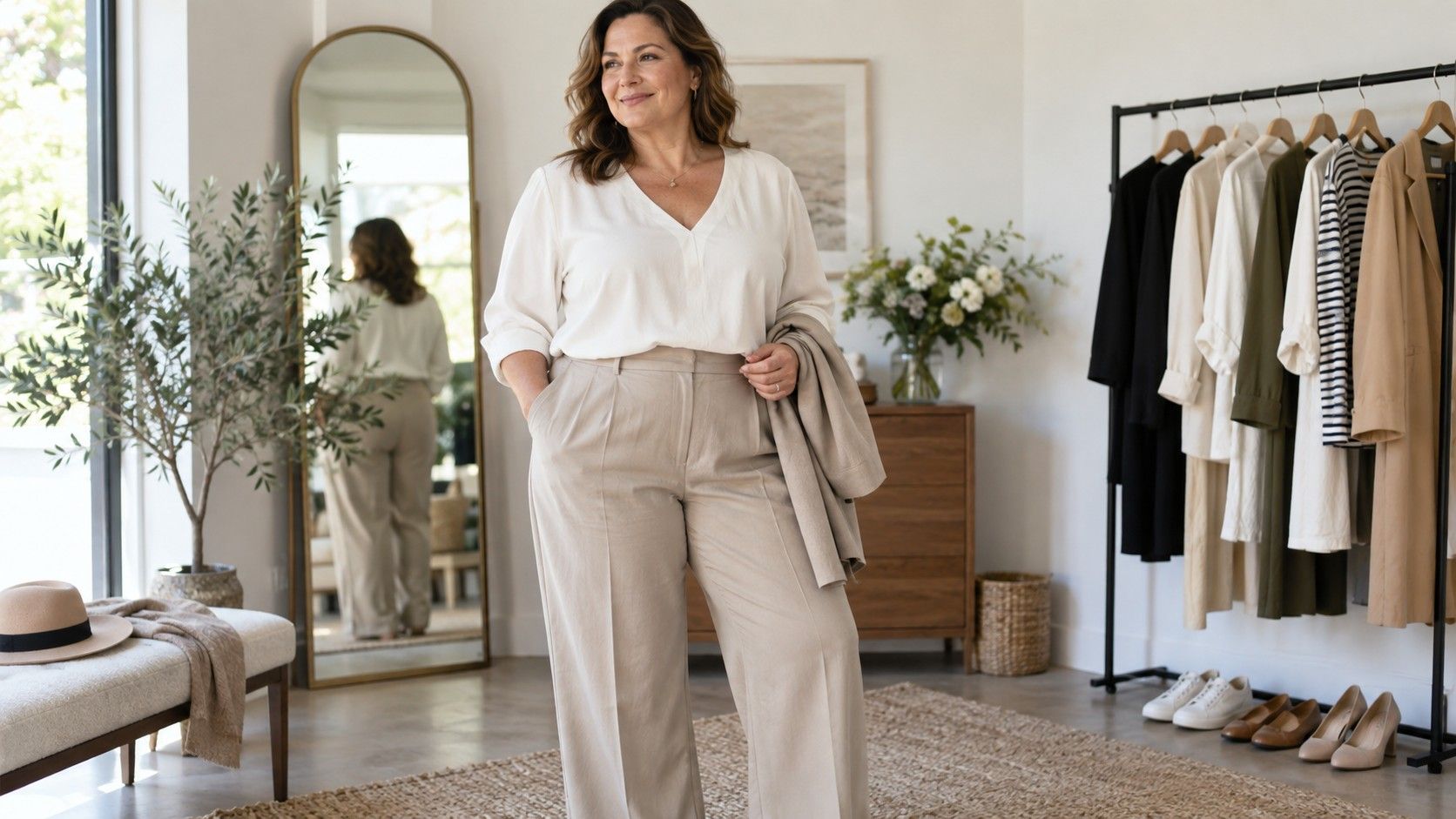
A body shape test is most useful when it replaces guesswork with a few clear observations, not when it tries to put you in a permanent category. Your shoulders, bust, waist, and hips can help explain why one jacket feels balanced and another feels awkward, but they do not prescribe what you should wear. Think of the result as a fitting note you can return to when choosing clothes.
What a body shape test can and cannot tell you
Most body shape quizzes reduce a person to a familiar label. That can be convenient, yet it often hides the detail that matters in a dressing room: where a garment pulls, where it hangs straight, and where its seams land. Two people can share similar bust, waist, and hip measurements while having very different shoulder width, torso length, or posture. A label is a shorthand, not a diagnosis.
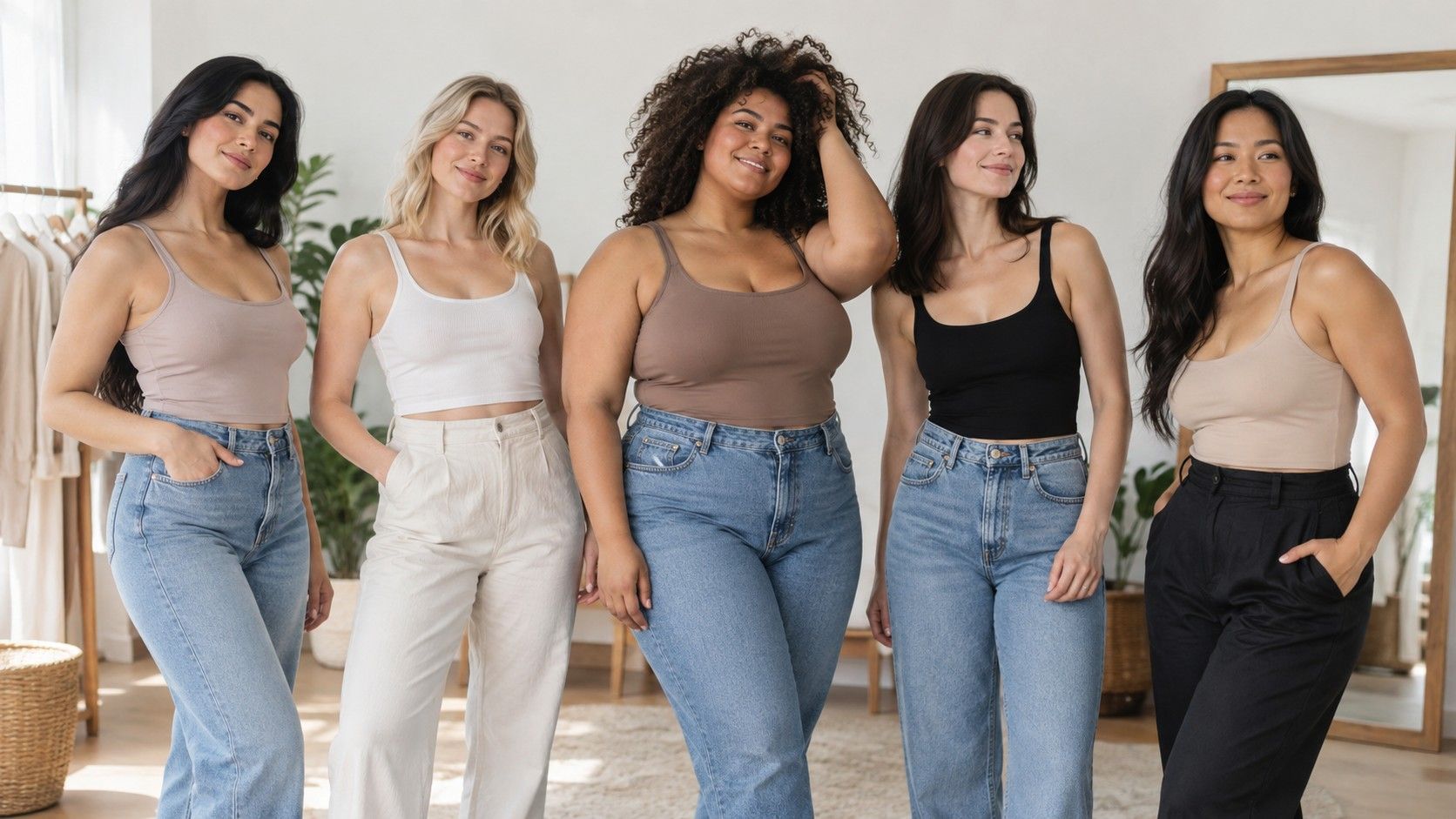
A useful body proportions test looks for relationships rather than a winning category. Are your shoulders visually close to your hips? Is the waist clearly narrower, gently shaped, or almost in line with the rest of the torso? Does a fitted shirt need room across the upper back while trousers fit easily at the hip? Those observations lead to practical choices about cut and construction.
It also helps to separate body shape from size, weight, and style preference. A change in size can alter individual numbers without making your whole wardrobe knowledge useless. Muscle, menstrual-cycle bloating, pregnancy, recovery, and ordinary day-to-day variation all affect how clothes sit. The point is to notice the current fit pattern kindly and accurately.
Set up a simple measurement routine
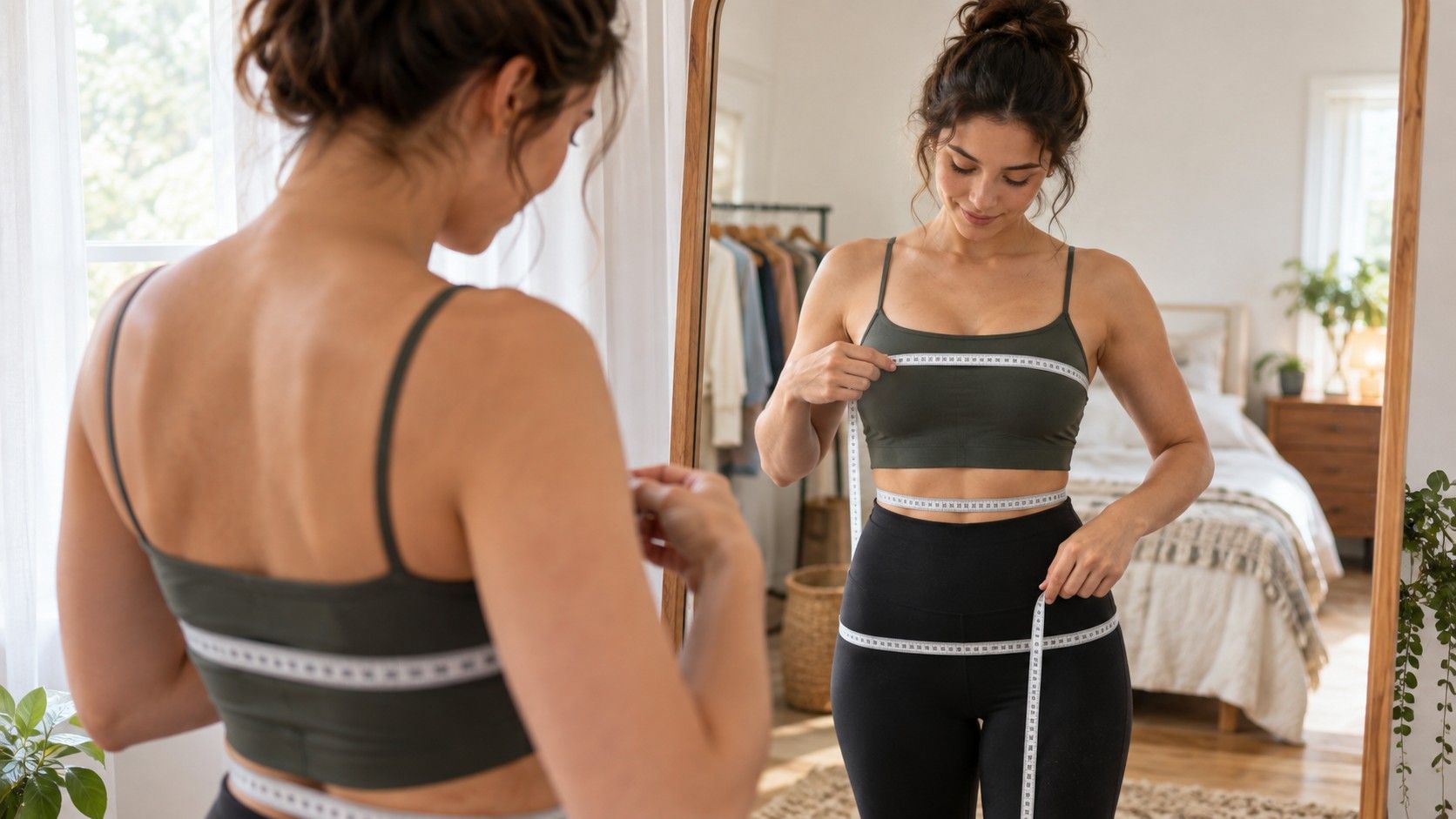
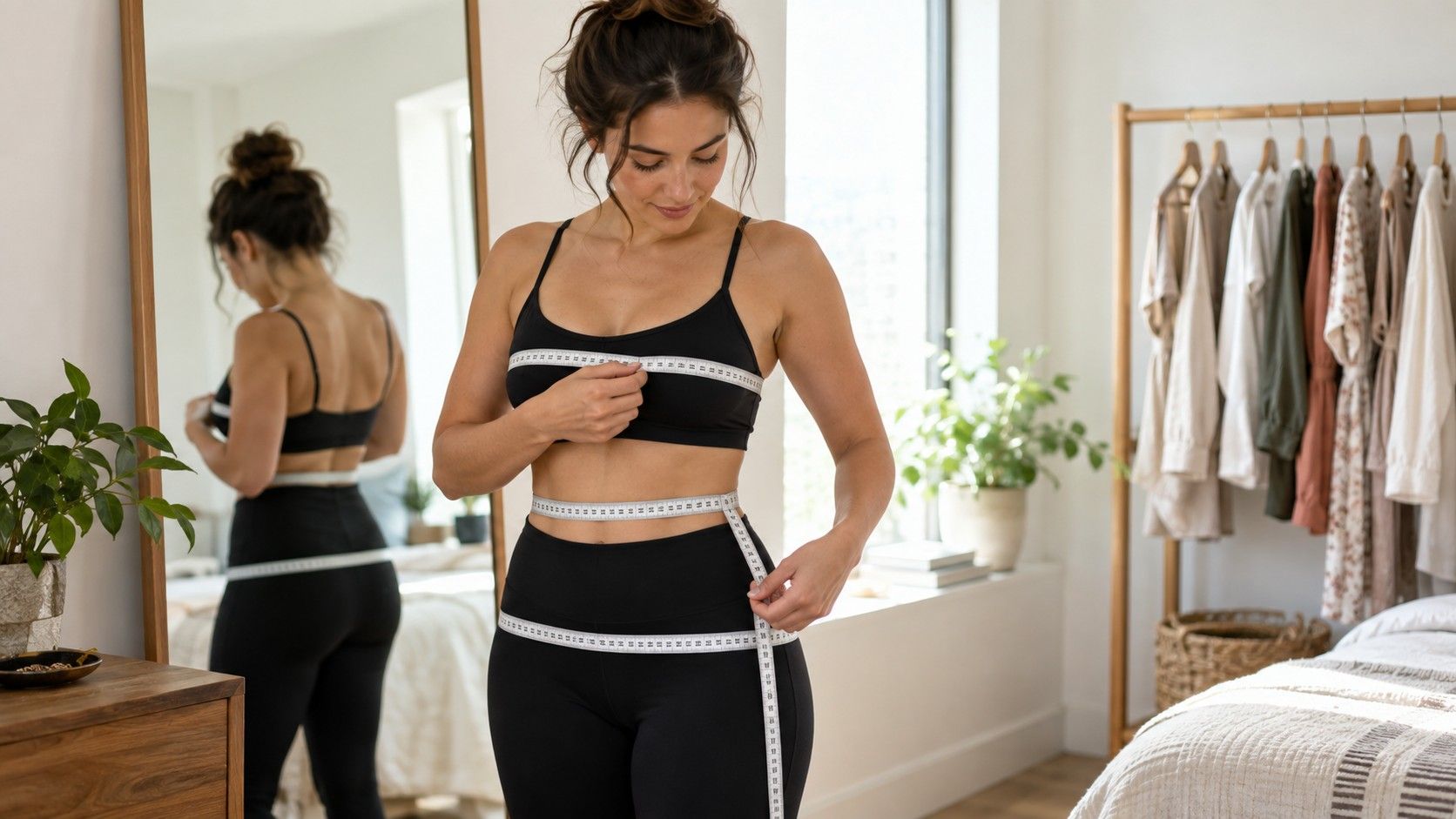
For a reliable body shape test, use a soft tape measure, a mirror, and close-fitting clothing or underwear. Heavy knitwear, a thick bra, or low-slung jeans introduce their own volume and make the tape harder to place. Stand naturally with both feet on the floor. Do not straighten into a pose or hold your stomach in; a measurement taken in a posture you cannot maintain will not help you buy a comfortable shirt.
Measure at roughly the same time of day if you plan to compare numbers later. Evening measurements are not wrong, but they may differ from morning ones because of meals, activity, and fluid retention. Record the date and whether you were measuring over clothing. That small note prevents false alarms when a number changes by an inch.
Take each measurement twice. If the two readings disagree noticeably, pause and check that the tape is level rather than pulling it tighter to force a result. The tape should touch the body without leaving a groove. A second calm attempt is more useful than chasing a perfectly tiny number.
How to take four useful measurements
Start with shoulders. Shoulder circumference can be hard to take alone because the tape must travel around the broadest part of the upper body and stay level across the back. If that feels unreliable, use a well-fitting shirt as a comparison: note whether shoulder seams sit at the shoulder point or slide inward or outward. The practical question is whether tops need extra room through the upper body.
Measure the bust around its fullest point with the tape parallel to the floor. Keep your arms relaxed. For the waist, find the natural bend in your torso rather than assuming it is the waistband of your trousers. Bending gently to one side usually reveals it. Your hip measurement belongs around the fullest part of the seat and upper hips, which may be lower than expected; use the mirror to make sure the tape has not crept upward.
| Area | Where to place the tape | Useful fit clue |
|---|---|---|
| Shoulders | Across the broadest upper-body line, kept level | Whether jackets and shirts need room across the back |
| Bust | At the fullest point, parallel to the floor | Whether button fronts or darts need adjustment |
| Waist | At the natural torso bend, without tightening | Where belts, seams, and waistbands feel most natural |
| Hips | At the fullest seat and upper-hip point | Whether skirts and trousers pull or hang cleanly |
Write the four numbers down, then put the tape away for a moment. Looking in the mirror with relaxed posture provides the missing context: a wide shoulder line can look different on a long torso than on a short one, and a softly defined waist still changes how a garment drapes.
Notice proportions without chasing an exact label
Lay the measurements side by side and look for broad patterns. If shoulders and hips are close, the silhouette may feel evenly distributed. If the upper body is broader, you may notice that structured blazers need careful shoulder fit. If hips are fuller than the bust, trouser fabric and pocket placement may affect comfort more than a top's neckline. None of these patterns needs a dramatic name to be useful.
Mixed proportions are common. Perhaps your shoulders are broad, your waist is defined, and your hips are close to your bust measurement. Perhaps the tape says one thing while a front-view photo shows a different impression because your posture shifts. Instead of forcing a single answer to “find your body shape,” make a short list: upper body needs room, waist is a useful shaping point, straight skirts hang easily. That is enough information for shopping.
Repeat measurements after a few weeks only if you have a reason, such as replacing work clothes or adjusting a sewing pattern. Measuring every day rarely produces better style decisions. It usually magnifies normal fluctuations and turns a neutral tool into a source of pressure.
Turn the result into better shopping choices
Use your notes in the changing room. When trying a jacket, assess the shoulder seam first because tailoring the shoulder is difficult and expensive. Then check whether the front closes without strain, whether the waist seam sits where your body bends, and whether the hem clears the fullest hip point. A garment can be the right size yet still be the wrong proportion for the effect you want.
For trousers and skirts, sit down before deciding. A waistband that feels fine standing may pinch after five minutes at a desk. Check the front rise, the hip line, and whether side pockets pull open. For dresses, compare where the waist seam lands with your natural waist; moving that line slightly up or down can change the entire silhouette more than changing a color.
A body shape quiz can be a pleasant starting point, but your own evidence is stronger: measurements, a mirror, and the sensation of wearing the garment. Keep the notes simple, revise them when your needs change, and let comfort and personal taste have the final word.